How Architectural Photography Licensing Works
One of the most common misconceptions about hiring a photographer is that you're buying the photographs themselves, which is understandable, because most people only interact with photography for events like weddings and portraits - but those types of photography are NOT for commercial use and therefore don’t have the same licensing needs as a business.
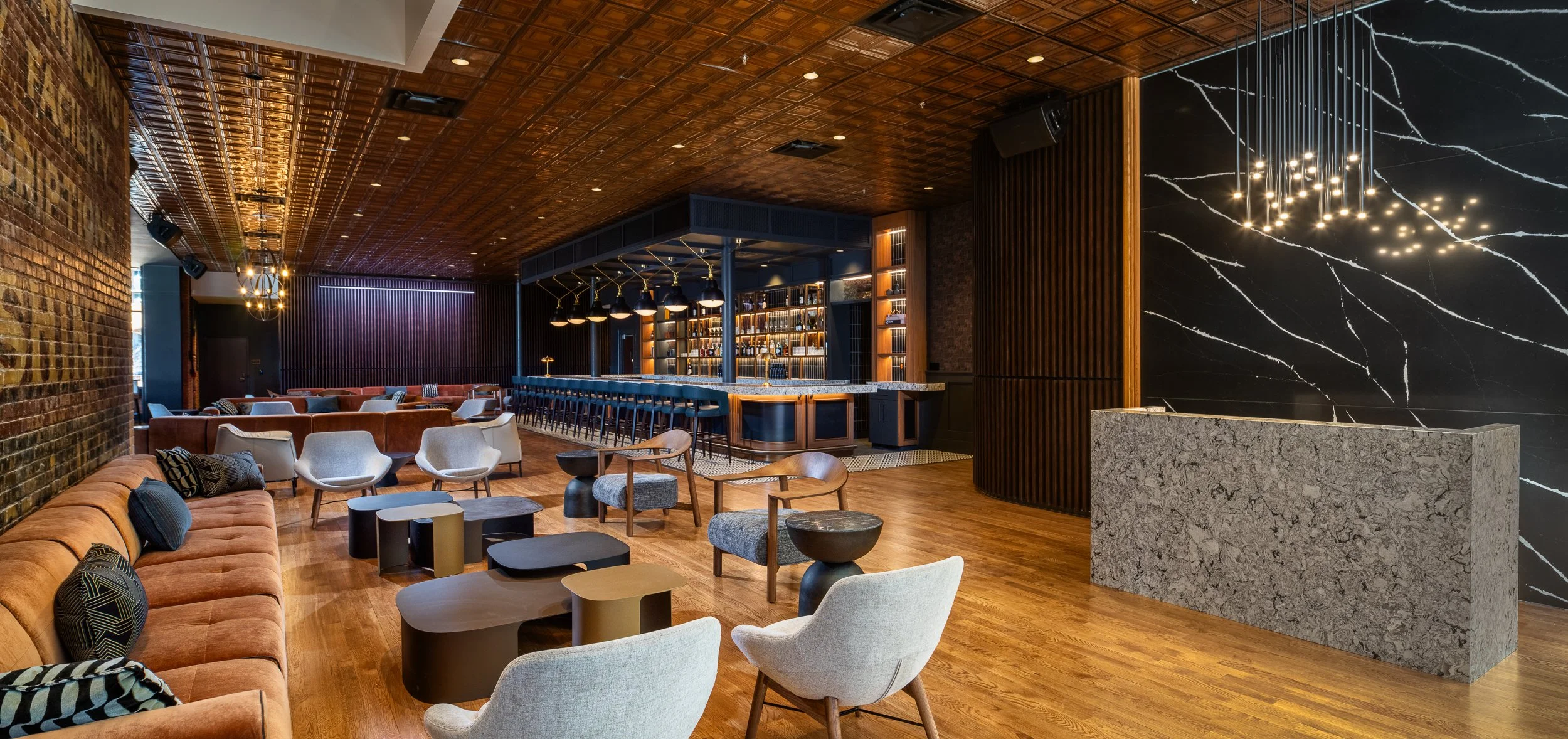
Entry lounge area at The Mockingbird in downtown Greenville, SC.
When you hire me, you're generally paying for two things:
A creative fee and a licensing fee.
I covered this in my last post, but here’s a quick recap…
The creative fee covers the production itself: planning, expertise, equipment, time on location, and everything required to create the photographs.
The licensing fee determines how you can use those photographs.
When I'm discussing a project with a client, I don't make this unnecessarily complicated. I'll usually just ask:
"How many images would you like to license and what would you like to use them for?"
That immediately establishes that we're talking about licensing, not purchasing ownership of the photographs and also getting a basic understanding of what the actual usage needs are.
What does my standard license include?
My standard licensing is designed to cover most of the ways an architect, designer, builder, hotel, developer, etc. needs to use professional photography.
That generally includes things like:
Website and portfolio use
Social media
Trade shows and presentations
Small printed collateral, such as brochures or cards
My standard license is also perpetual.
That's worth pointing out because not every photographer structures licensing this way. Some licenses expire after a predetermined time. My default philosophy is simpler: for normal usage, I don't want a client worrying about whether they're still allowed to put a photograph on their website five years from now. This sets me apart from some other photographers, and it helps me retain clients and get referrals. If a client doesn’t need a perpetual license, say in the example of a real estate listing where the usage is limited to the life of a listing, the per-image rate is reduced.
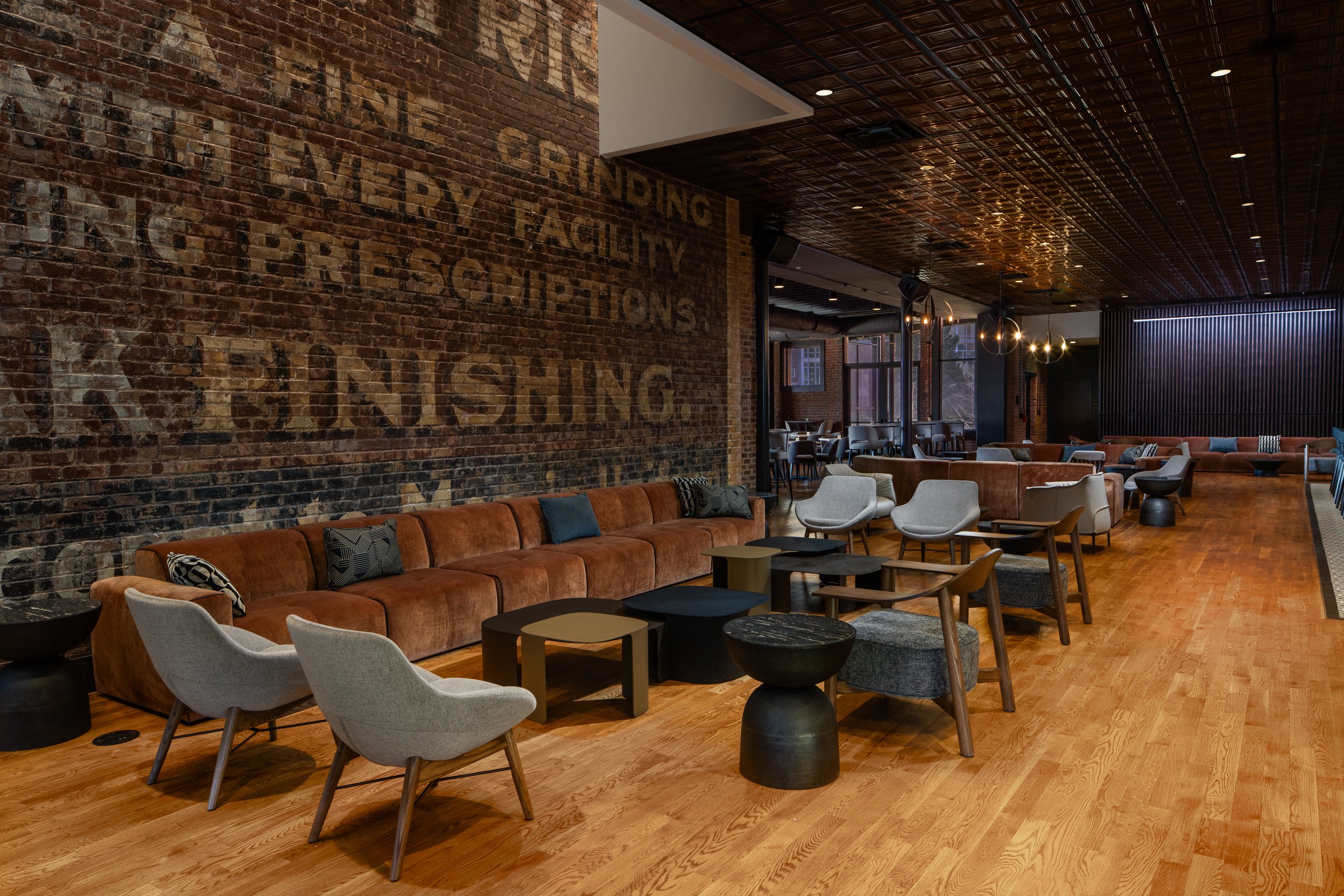
Original Painted Brick Signage at The Mockingbird in Greenville, SC.
When does licensing cost more?
This changes when the intended distribution becomes substantially broader, as in PR or publishing.
For example, if I am photographing a luxury boutique hotel or high-end restaurant and the client already knows they're planning a major PR campaign around the opening, these photographs could ultimately appear in magazines, on websites, in press releases, in media outlets, and elsewhere.
That's a far cry from an architect putting photographs of a project in their portfolio. The photographs are reaching more people, being distributed more widely, and generating greater commercial value. There is also often a higher production and post-production demand on these images.
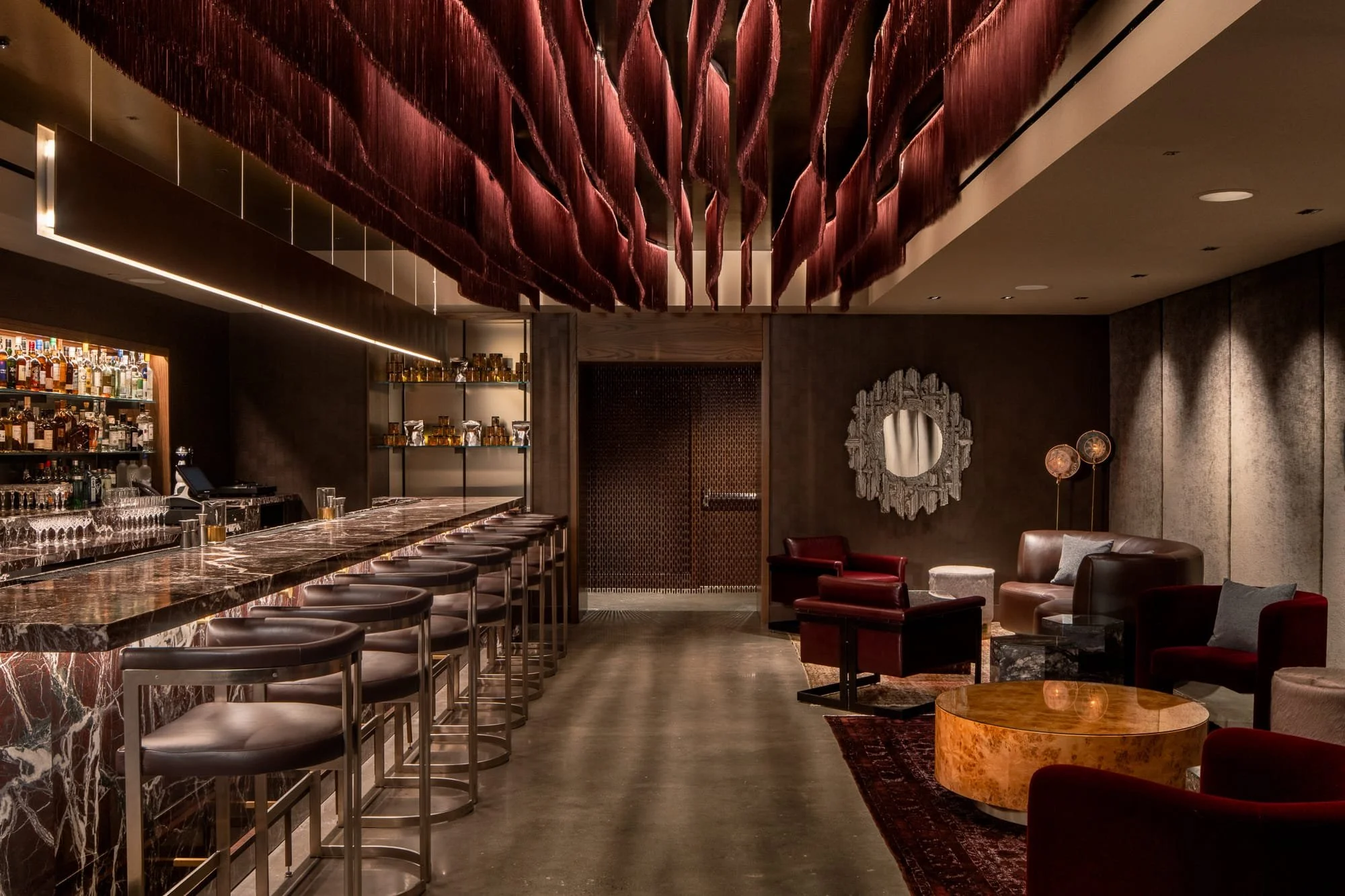
This image of a luxury Boutique hotel speakeasy located at The Joseph Hotel in Nashville has been published in at least 20 different publication including Conde Nast Traveler, Forbes, and several industry resources and regional websites.
What about if a client wants to get published in a magazine?
Editorial usage is another category I no longer automatically include in every standard license. The main reason? Because most clients don't need it and this allows me to continue offering a perpetual license to all of my clients.
But suppose we're photographing a residence with the specific intention of pursuing publication in a magazine - now there's another party involved because the magazine isn't simply telling your story… they're also using those photographs to create a product their readers want to consume.
That's additional commercial usage and it requires a license that most other clients don’t.
And if we know publication is a goal before the shoot, we can plan for it accordingly - from the way we approach the photography to the licensing itself.
It's also usually easier and more economical to address those rights before the shoot rather than discovering six months later that a publication wants the photographs and then figuring out who is responsible for obtaining the necessary license.
You don't always need perpetual rights.
I touched on this above, but it is worth diving into a little more. Suppose you’re commissioning a shoot and you only need a photograph for a one-year real-estate listing or a six-month advertising campaign. Maybe you are a PR or marketing firm and have some arrangement with your client where you have them on retainer and maybe the image usage is part of that retainer and it is more advantageous for you to renew your license with me each year vs. buying a perpetual license.
Simply put, you may not need perpetual rights and limiting the duration can reduce the licensing cost because you're purchasing only the rights you actually need. That's ultimately the point of licensing.
You shouldn't be paying for rights you don't need, but the price should reflect the rights you do need.
And there's another way multiple companies involved in the same project can significantly reduce their individual photography costs.
That's cost sharing. I will dive deep into this in the next article.